
FinOps Operating Model (2026): Roles, Cadence, KPIs & Cloud Cost Accountability
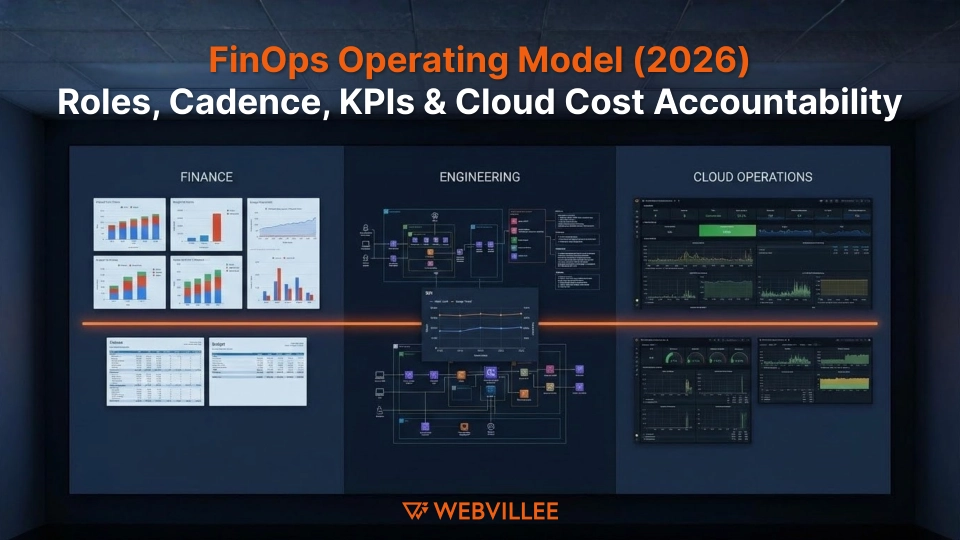
FinOps Operating Model (2026): Roles, Cadence, KPIs & Cloud Cost Accountability A FinOps operating model is the structured approach enterprises use to bring real financial discipline to cloud spending, and in 2026 it has become one of the most critical governance investments an organization can make. Public cloud spending is projected to surpass $1 trillion […]
Quote to Cash Optimization: How CRM-ERP Integration Eliminates Revenue Leakage
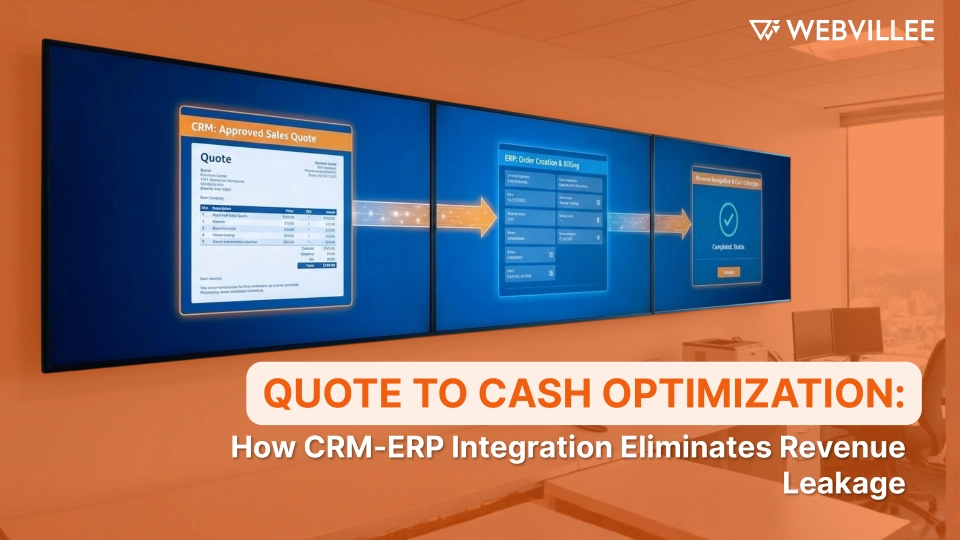
Quote to Cash Optimization: How CRM-ERP Integration Eliminates Revenue Leakage CRM ERP integration quote to cash optimization connects sales and finance systems to eliminate revenue leakage caused by manual errors, disconnected data, and billing delays that quietly erode margins between the initial quote and final cash collection. Why Revenue Leaks Between the Quote […]
Data Provenance Explained: How to Prove Your AI Decisions Are Trustworthy
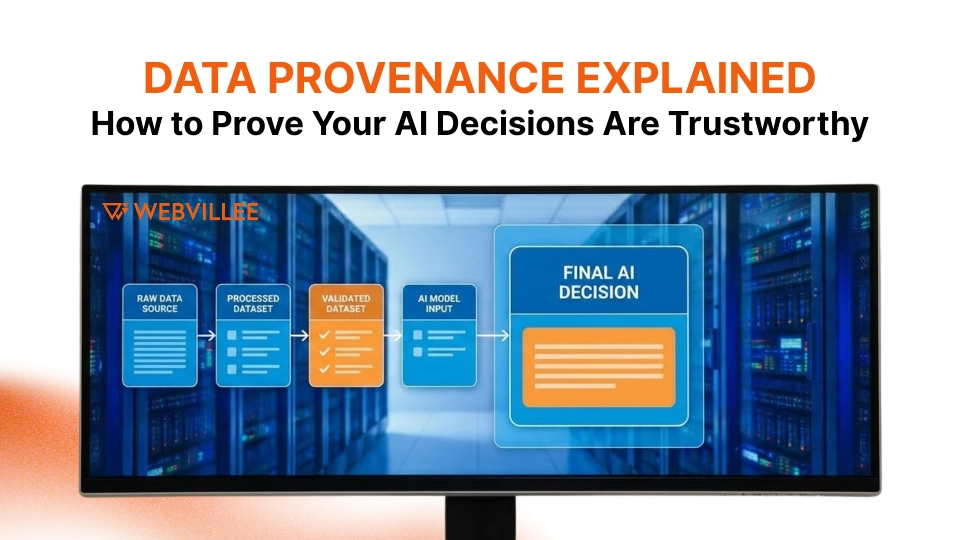
Data Provenance Explained: How to Prove Your AI Decisions Are Trustworthy AI data provenance is the comprehensive documentation of where data came from, how it changed through processing, and who handled it across the entire AI lifecycle, enabling organizations to prove their AI decisions are trustworthy and defensible. Why Trust in AI Decisions […]
How CRM and ERP Fix Workflow Chaos and Bring Your Teams Under One System

How CRM and ERP Fix Workflow Chaos and Bring Your Teams Under One System CRM and ERP workflow integration helps growing businesses eliminate process confusion, reduce manual work, and align teams under one reliable system. Why Workflow Chaos Happens as Businesses Scale Workflow chaos appears when growth outpaces systems, processes, and visibility. Early […]
CRM Integration Impact: The Key to Customer Retention and Sales Velocity
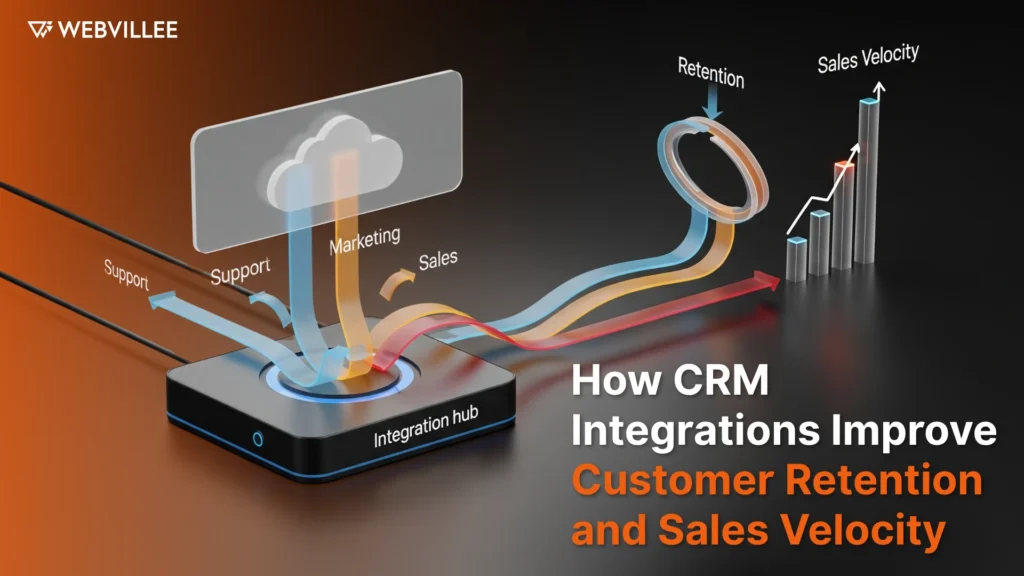
The Integration Gap That’s Costing You Revenue Most organizations have CRM systems but fail to maximize their value through proper CRM integration customer retention strategies. Your sales team uses Salesforce or Microsoft Dynamics 365, but your accounting system, customer service platform, and marketing automation tools operate independently. This integration gap costs you customers and sales […]
Microsoft Dynamics 365 vs SAP S/4HANA: Which ERP Should You Choose?
Making the Right Enterprise Software Decision The choice between Microsoft Dynamics 365 vs SAP S/4HANA depends on your company size, industry complexity, existing technology infrastructure, and available implementation resources. Neither platform is universally superior; each excels in specific scenarios and organizational contexts. This ERP comparison examines eight critical factors that influence enterprise software selection. We’ll […]
11 Signs Your ERP System Is Costing More Than It’s Worth
When Your Enterprise System Becomes a Liability ERP system costs extend far beyond license fees and implementation budgets. Your enterprise system drains value through hidden costs, productivity losses, and missed opportunities that accumulate silently over months and years. The challenge is recognizing when these costs outweigh the benefits. Many organizations continue investing in systems that […]
Salesforce vs Microsoft Dynamics 365: Which CRM to Choose?
Salesforce vs Microsoft Dynamics 365 is a comparison most decision makers encounter when selecting a CRM. These two platforms dominate the enterprise space, but choosing the right one goes beyond features and popularity. The best CRM for your business depends on factors like: Your current tech stack and how well the CRM integrates with it […]
How Cloud Modernization Enhances CRM and ERP Scalability in 2025
In 2025, CRM and ERP scalability is no longer a technical nice-to-have. It is a core requirement for businesses aiming to grow, serve faster, and compete smarter. Legacy systems often limit your ability to: Integrate new tools and data sources Support remote or hybrid operations Innovate quickly with changing customer needs They become bottlenecks rather […]
5 Ways Custom ERP Software Saves Businesses Time and Money

Running a business today means dealing with rising operational costs, scattered data, and time-consuming manual processes. These issues can slow down teams, lead to errors, and reduce overall productivity. That’s why many companies are turning to custom ERP software to streamline operations. Instead of adjusting your business to fit generic tools, a tailored ERP system […]
Why Custom Software Beats Generic Apps: 7 Business Reasons in 2025
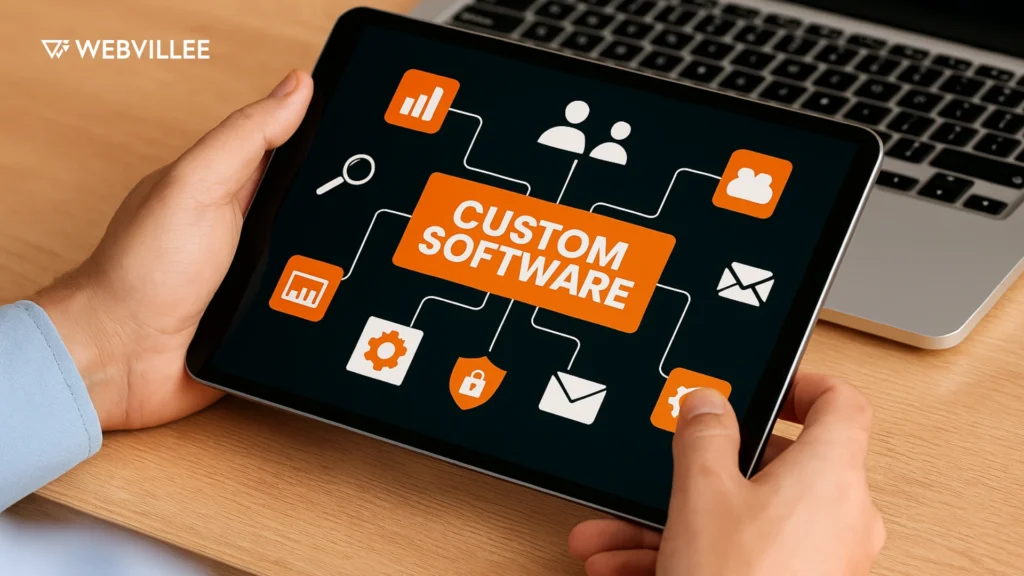
In 2025, the debate around custom software vs generic apps is more relevant than ever. Businesses face more digital complexity, tighter competition, and rising customer expectations. Off-the-shelf apps often fall short when it comes to adaptability, performance, or long-term growth. Generic tools can work in the short term. But as your processes, teams, or integrations […]
6 Common ERP Implementation Mistakes
ERP implementation mistakes are more common than you might think, and far more expensive than most businesses expect. Whether you are switching systems or adopting one for the first time, the decisions you make early on will impact operations, budgets, and growth. ERP is not just a tool. It touches nearly every part of your […]
6 Ways AI Is Transforming Custom Software Development in 2025
AI in custom software development is no longer a trend. It is becoming the baseline for how modern businesses design, build, and manage digital products. From user behavior prediction to smarter automation, AI is shifting what is possible and expected in every software project. As we move deeper into 2025, this shift is no longer […]
8 Questions to Ask Before Hiring a Software Development Partner

Hiring the right software development partner is one of the most important decisions you will make for your digital projects. Whether you are starting fresh or scaling an existing platform, the impact reaches far beyond just code delivery. When it comes to hiring a software development partner, your decision influences your time to market, product […]
Composable ERP: Why It’s the Future of Business Agility
Traditional ERP systems were built for stability, not speed. They helped businesses operate consistently, but in a world defined by constant change, consistency alone isn’t enough. These legacy systems were often large, centralized platforms designed for standardization. While that approach worked in an era of predictable operations, today’s business climate demands adaptability. With customer preferences, […]